Loading...
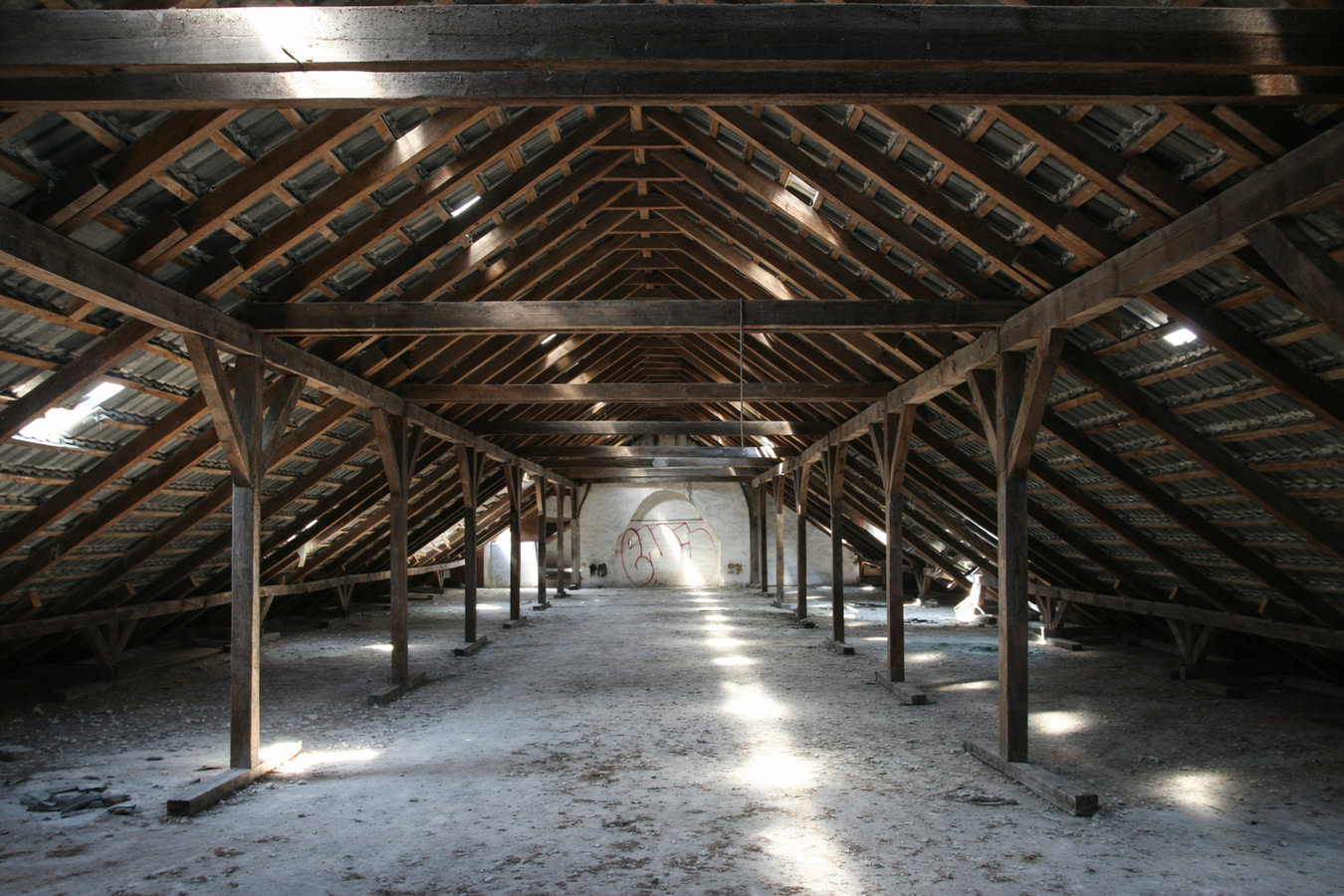
Sumter attics can hit 130 degrees on a hot afternoon. Without proper insulation, that heat radiates straight down into your home and forces your air conditioner to run constantly. A properly insulated attic is the single most cost-effective way to cut your summer cooling bills.
Attic insulation in Sumter, SC acts like a thick blanket between your living space and the extreme heat in your attic - most jobs are completed in a single day and homeowners notice a difference within the first week of summer.
Unlike most parts of the country where insulation is primarily a winter upgrade, here in Sumter it pays for itself through lower cooling costs. Your attic is the biggest source of heat gain in your home during the months that matter most. Adding insulation without first sealing air leaks is like putting on a heavy coat with the zipper open - which is why our process always starts with attic air sealing before any new material goes in.
If the rooms directly below your attic are consistently harder to cool than the rest of your home, heat is moving through your attic floor into your living space. In Sumter's summers this problem becomes obvious by June. It is not a thermostat issue - it is a sign that not enough insulation separates your living space from a superheated attic.
If your electricity bill climbs dramatically from May through September and your usage habits have not changed, your cooling system is fighting heat coming through the attic. A significant and consistent summer spike is one of the clearest signals that your attic insulation is not doing its job.
If you look into your attic with a flashlight and the wooden joists are visible above the insulation, you almost certainly do not have enough. Insulation should cover those beams completely. This is something you can check yourself in about two minutes and it is one of the most reliable visual signals of an under-insulated home.
If you have heard scratching in the ceiling or had a pest control company treat your attic, your insulation may have been damaged. Rodents and squirrels nest in insulation and compress or shred it, destroying its ability to keep heat out. This is worth checking even if the pest problem has been resolved.
We install blown-in loose-fill insulation and batts depending on your attic layout and what you already have in place. Blown-in insulation is blown into place with a machine and fills gaps and corners more completely than batts - it is usually the better choice when topping up existing insulation or covering an attic floor with irregular framing. Batts are laid between joists by hand and work well in open, accessible attics with consistent spacing. For homes where old insulation has been damaged by moisture or pests, we handle removal before installing new material.
The South Carolina Department of Energy recommends attic insulation at R-38 to R-60 for homes in this climate zone. Most Sumter homes built before 1990 are well below that threshold. We pair every attic job with air sealing to close gaps around pipes, wires, and ceiling fixtures before new insulation goes in. If you also need blown-in insulation for a wall cavity or hard-to-reach area, we can handle that in the same visit.
Best for topping up existing insulation or covering irregular framing - fills every corner without gaps.
Best for open attics with consistent joist spacing and no existing material to work around.
Best practice for any Sumter home - sealing first ensures the insulation performs as expected.
Required when existing material has been damaged by moisture, mold, or pests before new insulation is installed.
Sumter's intense summer heat makes attic insulation a cooling issue, not just a heating one. Your attic can reach temperatures well above 130 degrees F on a hot afternoon, and without adequate insulation, that heat radiates straight down into your living space. This means attic insulation here pays for itself primarily through lower summer cooling costs - not winter heating savings, which is how most national guides frame the benefit. The U.S. Department of Energy recommends R-38 to R-60 for South Carolina's climate zone, and many older Sumter homes are at a fraction of that.
Sumter also has persistent humidity that can trap moisture in poorly ventilated attics, leading to mold on wood framing over time. We check ventilation before adding any insulation - adding material to a poorly ventilated attic can make moisture problems worse. We serve homeowners in Sumter and Florence who are dealing with older housing stock and high summer utility bills.
We ask a few basic questions - your home's approximate square footage, when it was built, and whether you have had any insulation work done. This helps us prepare before we come out. We respond within 1 business day and can usually schedule a visit within a few days.
A contractor goes up into your attic to measure what is already there, check for air leaks, look at ventilation, and note any moisture or pest issues. This visit typically takes 30 to 45 minutes and is free. You get a written estimate and a clear explanation in plain terms.
The crew seals air leaks first - gaps around pipes, wires, and ceiling fixtures - then blows or lays the insulation across the attic floor. The whole process typically takes two to four hours for a standard Sumter home. You do not need to leave the house.
There is no curing or drying period. Your home is ready to use immediately. Most homeowners notice a difference in how rooms feel within a few days, and the impact on your energy bill shows up in your next full billing cycle.
We respond within 1 business day. There is no obligation - just a free attic assessment and a written estimate so you know exactly what the work will cost. After you submit, someone from our office will call to schedule a convenient time.
(803) 859-8329Every attic job starts with a no-obligation on-site assessment and a written estimate. You see the scope, the materials, and the price before you sign anything or pay a deposit - no surprises later.
In Sumter's climate, adding new insulation on top of a hidden moisture or pest problem is a waste of your money. We assess your attic honestly before recommending anything. If we find something that needs to be addressed first, we tell you clearly and explain your options.
Insulation without air sealing is a shortcut that leaves energy savings on the table. We seal gaps around pipes, wires, and ceiling fixtures as part of every attic job. If a contractor quotes you for insulation without mentioning air sealing, ask why.
We are based at 13 W Liberty St in Sumter and serve homeowners across the area. We know the older neighborhoods, the brick ranches, and the housing stock that was built before modern insulation standards. That local knowledge shapes how we assess and recommend.
An experienced local crew that checks for moisture before spraying and seals air leaks as part of the job - that is what separates a real insulation upgrade from a quick fix. Reach out today to schedule your free assessment.
The North American Insulation Manufacturers Association publishes installation standards that professional contractors follow for attic insulation jobs.
Blown-in insulation is the most common attic upgrade method - it fills gaps and corners that batts cannot reach, making it ideal for topping up existing material.
Learn moreAir sealing closes the gaps around pipes, wires, and ceiling fixtures before insulation goes in - without it, cooled air escapes even through thick insulation.
Learn moreSumter summers do not wait - get your attic properly insulated and sealed before the heat peaks this year.