
Loading...
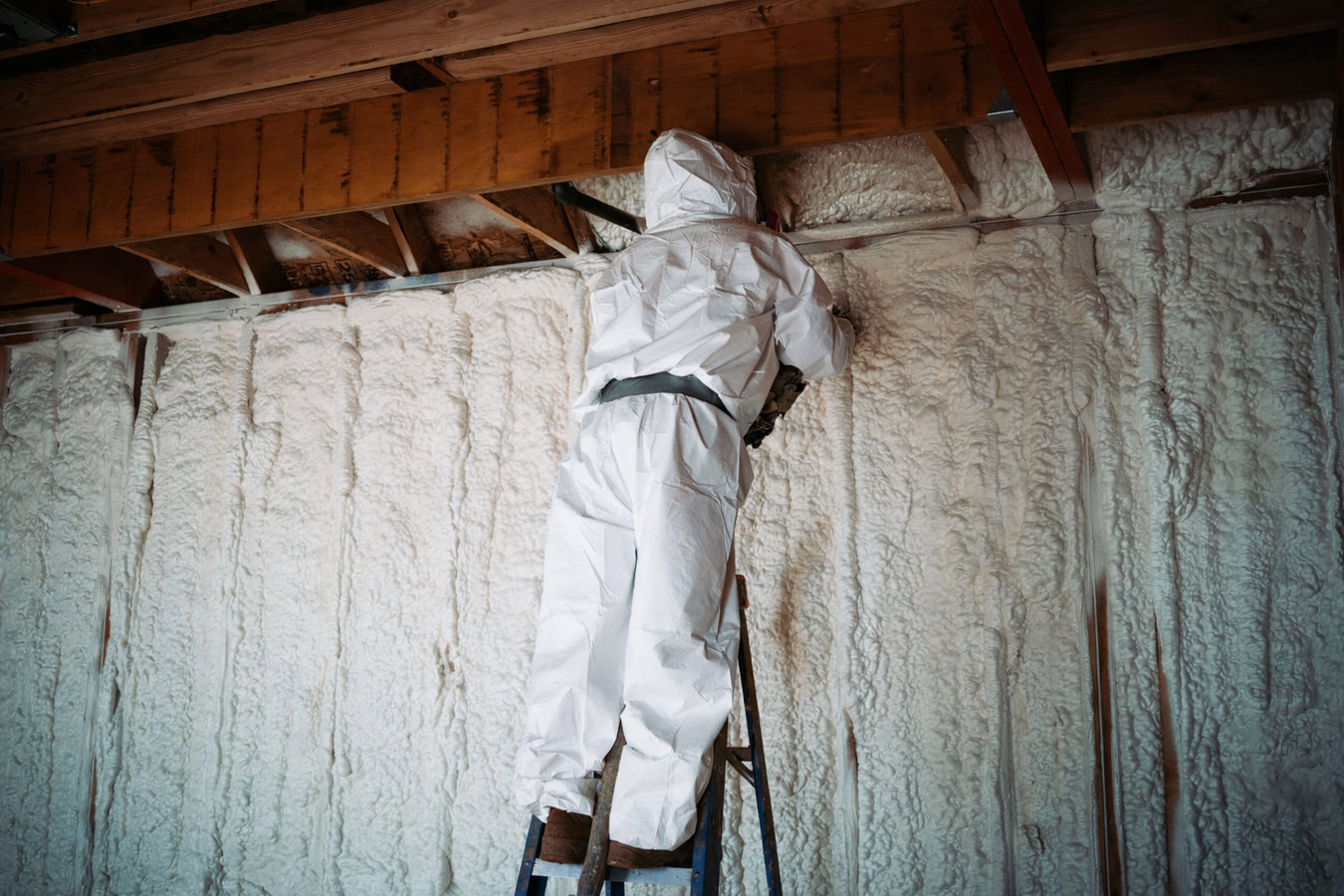
Closed-cell foam does two jobs at once - it insulates and seals air and moisture. In Sumter's humid climate, that combination makes it the most effective upgrade for crawl spaces, rim joists, and exterior walls.
Closed-cell foam insulation in Sumter, SC starts as a liquid and expands into a dense, rigid layer that insulates, seals air gaps, and resists moisture vapor all at once - most crawl space and attic jobs are completed in a single day with a re-entry window of a few hours after application.
Most insulation only slows heat transfer - it does not seal. Every gap around a pipe, wire, or framing connection still lets outside air push through. Closed-cell foam expands to fill those gaps completely, which means your air conditioner is not fighting a constant flow of warm, humid outdoor air. That air-sealing effect is especially important in Sumter, where summer humidity stays above 80 percent for months and the crawl space foundations that most local homes sit on are a direct entry point for moisture. Pairing foam in the crawl space with spray foam insulation in other areas of the home gives you a sealed envelope from the bottom of the structure up.
Closed-cell foam also adds a small amount of structural stiffness to the surfaces it is applied to - a useful side effect in older Sumter homes where framing has shifted or softened over time. Because it hardens into a solid layer, it holds its shape and performance for decades, unlike fiberglass batts that can sag, compress, and absorb moisture.
If your electric bill climbs dramatically from May through September despite not changing your habits, your home is likely losing conditioned air faster than your system can replace it. In Sumter's climate, a home with poor insulation and air sealing forces the air conditioner to run almost continuously during the hottest months. That is not a thermostat problem - it is an insulation problem.
A musty smell near the floor or floors that feel cold in winter and slightly damp in summer mean your crawl space is pulling in outside air and moisture. This is extremely common in Sumter-area homes built on crawl space foundations, especially those built before the 1990s. Left alone, that moisture damages floor joists and creates conditions where mold can grow.
Hold your hand near an electrical outlet on an exterior wall or near a baseboard on a windy day. If you feel a draft, outside air is getting in through gaps that insulation alone cannot fix. Closed-cell foam is one of the few insulation types that seals those gaps completely rather than just slowing air movement down.
If you bought an older Sumter home and are not sure what is under the floors or above the ceiling, there is a reasonable chance the original insulation is decades old. Fiberglass batts can sag, compress, and absorb moisture over time - especially in a humid climate like Sumter's. A quick look will often show insulation that is thin, discolored, or missing in spots.
We apply closed-cell foam in the areas where it delivers the most benefit for Sumter homes - crawl space walls and rim joists, attic roof decks, exterior wall cavities, and the framing at the base of walls where they meet the foundation. In a crawl space, foam on the walls and rim creates a sealed, conditioned environment that stops the cycle of humid outdoor air entering from below. In an attic, foam on the roof deck brings the space inside the conditioned envelope, which dramatically reduces heat gain in Sumter's long summers. Every application is measured for thickness to ensure we hit the performance level your home needs.
For homeowners who want to compare options, open-cell foam insulation is a softer, lower-density alternative that works well in interior wall cavities and attics where moisture resistance is less of a priority. We offer both, and we will explain which one makes sense for each area of your home rather than pushing one product everywhere. We also offer spray foam insulation as a broader service covering both foam types across the whole home.
Best for Sumter homes on crawl space foundations where humid air enters from below and moisture is damaging floor framing.
Best as a targeted high-impact fix for the framing where walls meet the foundation - one of the leakiest areas in any Sumter home.
Best for homes where the attic needs to be brought inside the conditioned envelope to control summer heat gain.
Best for older Sumter homes where wall insulation is missing or degraded and moisture resistance in the wall assembly is needed.
Sumter's climate puts two demands on insulation at the same time - control heat gain and block moisture vapor. Closed-cell foam addresses both. Sumter sits on South Carolina's coastal plain, where summer temperatures climb into the mid-90s and humidity stays high for months. That combination means your air conditioner is fighting both heat and moisture trying to push their way into your home from every direction. Closed-cell foam's density and low moisture absorption rate make it one of the most durable options available in this climate - it does not sag, compress, or absorb the humidity the way older fiberglass insulation does. Homes in Sumter and the surrounding coastal plain communities like Florence face the same combination of older housing stock and demanding climate conditions - and closed-cell foam is one of the most effective tools for closing the gap between how those homes were built and how they need to perform today.
The crawl space factor is significant in Sumter specifically. Most homes here are built on crawl space foundations rather than slabs, and an unsealed crawl space pulls in humid outside air from underneath the home all year long. That air raises indoor humidity, contributes to mold risk on floor joists, and makes floors cold in winter. Spray foam on the crawl space walls and rim is one of the most direct fixes available - and the Spray Polyurethane Foam Alliance recognizes crawl space application in hot-humid climates as one of the highest-impact uses for the material. The EPA's spray polyurethane foam program also provides guidance on safe installation and re-entry windows - standards we follow on every job.
We ask about your home's age, the areas you are concerned about, and whether you have noticed comfort or moisture issues. Most Sumter homeowners can schedule a walk-through within a few days. We reply within one business day - no waiting.
We walk through your crawl space, attic, or flagged areas - checking what is currently there, looking for moisture, and identifying access points. You get a written estimate that specifies where the foam goes, how thick, and the total cost before any work starts.
We handle the permit before work begins - a permitted job gives you documentation for future sales and insurance claims. You clear access to work areas. You and your family need to be out of the home during spraying and for a few hours while the foam cures and the space ventilates.
The actual spraying is often done in a few hours - a typical crawl space or attic job moves quickly once the crew is set up. After re-entry, we walk you through the finished work so you can see the coverage yourself. No thin spots, no gaps, no surfaces still exposed.
We walk through your crawl space or attic with you, explain exactly what we would recommend, and give you a written quote - no obligation, no sales pitch.
(803) 859-8329Closed-cell foam requires specialized equipment and training that does not carry over from fiberglass or blown-in work. We have installed foam in dozens of Sumter-area crawl spaces and attics - it is not a product we add to our list to fill a gap.
We pull permits for jobs that require them in Sumter and Sumter County - and we explain what that means for you. A permitted, inspected job is documented proof that the work was done correctly, which matters when you sell the home or file a claim.
Most of Sumter's homes sit on crawl space foundations - and crawl space foam application is the most common job we do in this market. We know what a properly sealed Sumter crawl space looks like and what it takes to get there.
Before the crew packs up, we walk you through the installed foam so you can see consistent coverage yourself. A quality closed-cell job has an even, uniform layer with no thin spots or gaps - and you should be able to confirm that before signing off.
Closed-cell foam is a specialized product that rewards contractors who know what they are doing - and costs homeowners money when it is applied by someone who does not. We bring the right equipment, pull the permit, and show you the finished work so you leave with confidence, not questions.
Open-cell foam is a softer, more flexible option well-suited to interior wall cavities and attics where moisture resistance is less of a priority.
Learn moreOur spray foam insulation service covers both open-cell and closed-cell options - helping you choose the right type for each area of your home.
Learn moreSumter's cooling season starts earlier than most homeowners expect - getting your crawl space or attic sealed now means your home is ready when the first hot week arrives.