
Loading...
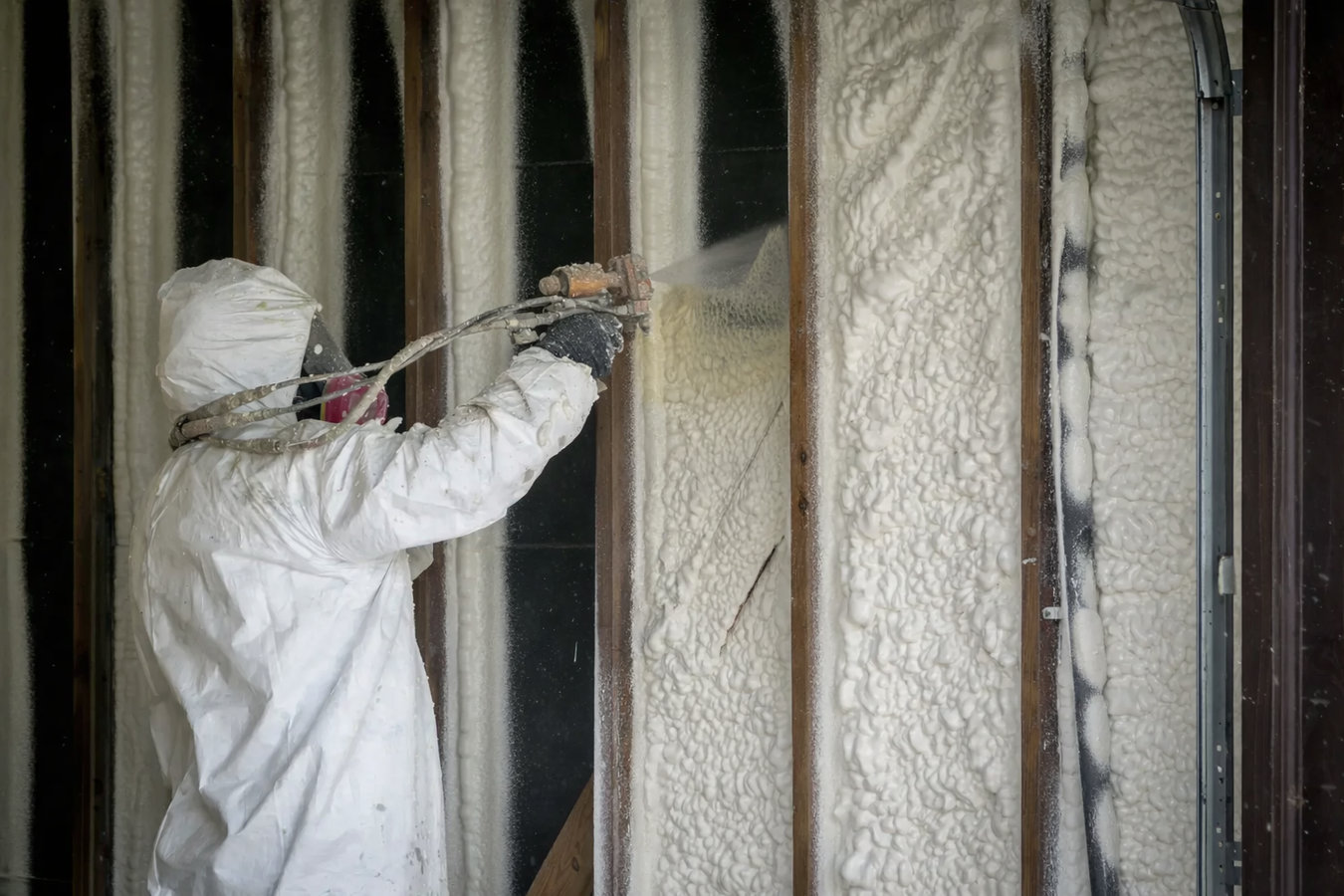
Sumter Insulation serves Columbia, SC homeowners with spray foam insulation, crawl space insulation, and attic insulation - familiar with the older brick ranch homes and humid Midlands conditions that define this market.
Columbia's clay soil holds water close to the surface, and crawl space homes throughout neighborhoods like Shandon and Forest Acres deal with persistent ground moisture. Our spray foam insulation creates an air and moisture barrier in one application, protecting the wood structure under your home year-round.
A large share of Columbia homes - especially those built before 1980 in established neighborhoods - sit on crawl space foundations that were never properly insulated or sealed. Columbia's annual rainfall of about 46 inches and its clay soils make an unprotected crawl space a direct path to mold, wood rot, and high utility bills.
Columbia attics reach extreme temperatures from June through August, and homes built in the 1950s and 1960s often have original insulation that has settled to a fraction of current recommended levels. Upgrading attic insulation is one of the most direct ways to cut cooling costs in a Columbia home that runs its air conditioning hard for five or more months each year.
Blown-in insulation fills the irregular cavities and hard-to-reach spaces common in Columbia's older bungalow and Craftsman-style homes more thoroughly than batt insulation. It is a practical choice for attic top-ups in homes where removing and replacing the entire insulation layer is not cost-effective.
Columbia's summer humidity and the city's history of flooding - particularly after events like the 2015 Richland County floods - make ground moisture control under homes a genuine priority. A heavy-duty vapor barrier on the crawl space floor stops ground moisture before it reaches the wood framing above.
Columbia homes built before 1980 were not constructed with air sealing in mind, and gaps around pipes, wires, and top plates let conditioned air escape all day and night. Sealing those gaps before adding insulation makes every dollar spent on insulation work harder, which matters in a climate with a long air conditioning season.
Columbia sits in the heart of the South Carolina Midlands, at the junction of the Broad and Saluda rivers, on terrain that is flat to gently rolling with clay-heavy soils throughout. The city receives about 46 inches of rain per year, and that clay soil does not drain quickly - it holds moisture near the surface and expands when wet, then shrinks and cracks when dry. That repeated cycle puts pressure on foundations, driveways, and the crawl space structures under older homes. Columbia summers are also genuinely hot, with July highs averaging around 93 to 95 degrees Fahrenheit, and the outdoor humidity compounds what air conditioners have to work against.
A significant share of Columbia's housing stock dates to the 1940s through the 1970s, concentrated in neighborhoods like Shandon, Elmwood Park, Earlewood, and Rosewood just outside downtown. These homes have character and good bones, but they were built well before modern insulation standards, and many have never had an insulation system that matches what is recommended for South Carolina's Climate Zone 3A. Brick ranch homes on crawl space foundations - one of the most common housing types in the Columbia area - are especially likely to have problems with moisture accumulation under the floor and minimal insulation in the attic. Newer construction in Irmo, the Dutch Fork area, and Lexington County faces different but real challenges, particularly around air sealing in slab-on-grade homes where conditioned air escapes through unsealed top plates and rim joists.
Our crew regularly works on the older brick ranch homes found throughout Columbia's established neighborhoods - the kind of house where the crawl space has never been properly addressed and the attic insulation is original to the 1960s build. These homes are a consistent part of our work in the Columbia area, and we know what to look for when we pull back the access hatch on a 60-year-old crawl space in Shandon or Rosewood.
Columbia is a city most South Carolinians know well - the state capital, home to the University of South Carolina campus, and a short drive from Congaree National Park to the southeast. Whether your home is near Five Points, in a Fort Jackson-area neighborhood, or out in the Irmo and Dutch Fork suburbs along I-26, we serve the full Columbia metro area.
We also serve homeowners in Aiken, which shares Columbia's brick ranch housing stock and Midlands climate. If you are in a community between Columbia and Aiken along I-20, we know the area and can schedule a visit without a long wait.
We ask a few basic questions about your home - what you are noticing, how old it is, and what area you want inspected. We respond within 1 business day and can usually schedule a site visit within a few days of your first contact.
A technician inspects the crawl space, attic, or other area of concern, checks for moisture damage or existing insulation issues, and gives you a written line-item estimate before any work is scheduled. There are no surprise charges after you agree to the job.
Most Columbia jobs - a crawl space, an attic, or a set of rim joists - are completed in a single day. Spray foam projects require staying out of the treated space for a few hours while the foam cures, and we will give you the exact re-entry window before we start.
We walk you through the completed work so you can see what was done and ask any questions before the crew packs up. If anything does not look right, it is far easier to address on the spot than to schedule a return visit.
We serve Columbia homeowners across Richland County and the surrounding Midlands area. Call or submit a request and we will respond within 1 business day.
(803) 859-8329Columbia is South Carolina's capital and its most populous city, with around 140,000 people within city limits and a much larger metropolitan area extending into Lexington and Kershaw counties. The city sits at the geographic center of the state, where the Broad and Saluda rivers merge to form the Congaree River. Its established inner neighborhoods - Shandon, Elmwood Park, Earlewood, Wales Garden, and Rosewood - are made up largely of homes built between the 1920s and 1970s, with tree-lined streets, smaller lots, and a mix of bungalows, craftsman cottages, and brick ranches. These neighborhoods have seen steady reinvestment as home values in the Columbia area have risen in recent years. The University of South Carolina campus is woven into the downtown fabric, and Fort Jackson, the largest and most active Army basic training base in the country, sits on the east side of the city and brings a significant military and veteran population to the area.
Beyond the city limits, Columbia's suburbs have expanded substantially into Lexington County to the west and northwest, with newer construction in Irmo, Chapin, and the Dutch Fork corridor. These neighborhoods present different challenges than the in-town housing stock - newer slab foundations, different framing systems, and homes that were built with better but not always correct air sealing. We serve homeowners across the entire Columbia metro area, from the oldest bungalows near downtown to recent builds along I-26. We also serve homeowners in nearby Orangeburg, which shares the Midlands climate and a similar mix of older housing stock, and we are familiar with the communities and roads that connect the two cities along I-26 and US-301.
High-performance spray foam that air-seals and insulates in one application.
Learn moreKeep conditioned air inside your home with proper attic insulation coverage.
Learn moreLoose-fill insulation that fills gaps and irregular spaces evenly and efficiently.
Learn moreWhole-home insulation solutions tailored to your structure and energy goals.
Learn moreSafe removal of old, damaged, or contaminated insulation before reinstallation.
Learn moreProtect your floors and pipes from moisture and cold with crawl space insulation.
Learn moreSeal drafts and air leaks that drive up energy bills and reduce comfort.
Learn moreInsulate basement walls and rim joists to improve comfort and efficiency.
Learn moreDense, rigid foam providing the highest R-value per inch with moisture resistance.
Learn moreLightweight, flexible foam ideal for interior walls and sound dampening.
Learn moreCommercial-grade insulation for offices, warehouses, and industrial buildings.
Learn moreHeavy-duty vapor barriers that block ground moisture from entering your home.
Learn moreProfessional vapor barrier installation for crawl spaces and basements.
Learn moreAdd insulation to existing walls and structures without major renovation.
Learn moreServing these cities and communities.
Columbia summers are long and the older housing stock here is underinsulated - the sooner you schedule an assessment, the sooner you start saving on energy bills.